Dog Anxiety: How to Calm Your Dog When You Leave the House
Some dogs nap when you grab your keys. Others pace, drool, bark, or destroy the couch. If your Great Dane (or any dog) struggles when you leave, they’re not being “bad” — they’re anxious and unsure. This guide covers simple routines, scent tricks, safe exercise, and calming tools that help your dog feel better when you’re not home.
🐾 Tip 1 – “Smells Like Success” Method
When dealing with Great Dane anxiety when you leave the house, it is important to remember that your dog simply misses you. For many dogs, separation anxiety begins as worry and can quickly turn into destructive behavior around the home.
One helpful technique I call “Smells Like Success” involves leaving your scent behind on items your dog loves. For example, you can place toys, blankets, or chew items inside a dirty laundry basket for a day or two. This allows the item to absorb your scent.
As a result, when your dog plays with the toy or rests on the blanket, they smell something familiar and comforting. This simple trick can help reduce Great Dane anxiety and make your dog feel more secure while you are away.
🐾 Tip 2 – Use White Noise for Comfort
Another simple strategy for reducing dog anxiety when you leave the house is leaving background noise on. For instance, turning on a television or radio can create the feeling that someone is still home.
Because sudden silence can make some dogs feel isolated, background noise helps maintain a familiar environment. Over time, this small adjustment can help prevent your dog from becoming overly anxious the moment you walk out the door.
🐾 Tip 3 – Provide a Rewarding Chew Toy
Interactive toys can also play a major role in managing Great Dane separation anxiety. Rewarding chew toys that contain peanut butter or hidden treats encourage your dog to focus on solving a small challenge.
These toys require effort and concentration, which naturally redirects your dog’s attention away from your absence. Additionally, pairing a rewarding chew toy with the “Smells Like Success” method can make the toy even more appealing.
As a result, your dog stays engaged longer and experiences less stress while you are gone.
🐾 Tip 4 – Exercise Before You Leave
Physical activity is another powerful way to reduce Great Dane anxiety. Taking your dog for a walk or engaging in active play before leaving the house helps burn off excess energy.
Consequently, after exercise your dog is more likely to relax and rest once you leave. In many cases, a tired dog will simply sleep through the first part of your absence instead of worrying about where you went.
🐾 Tip 5 – Use Calming Treats When Needed
Finally, calming treats designed specifically for dogs may help reduce mild anxiety in some situations. These treats often contain dog-safe ingredients that promote relaxation without causing drowsiness.
For even better results, you can place calming treats inside a rewarding chew toy. This combination gives your dog something to focus on while also helping them relax.
Together, these simple techniques can significantly reduce dog anxiety when you leave the house and help your Great Dane feel more calm and secure.
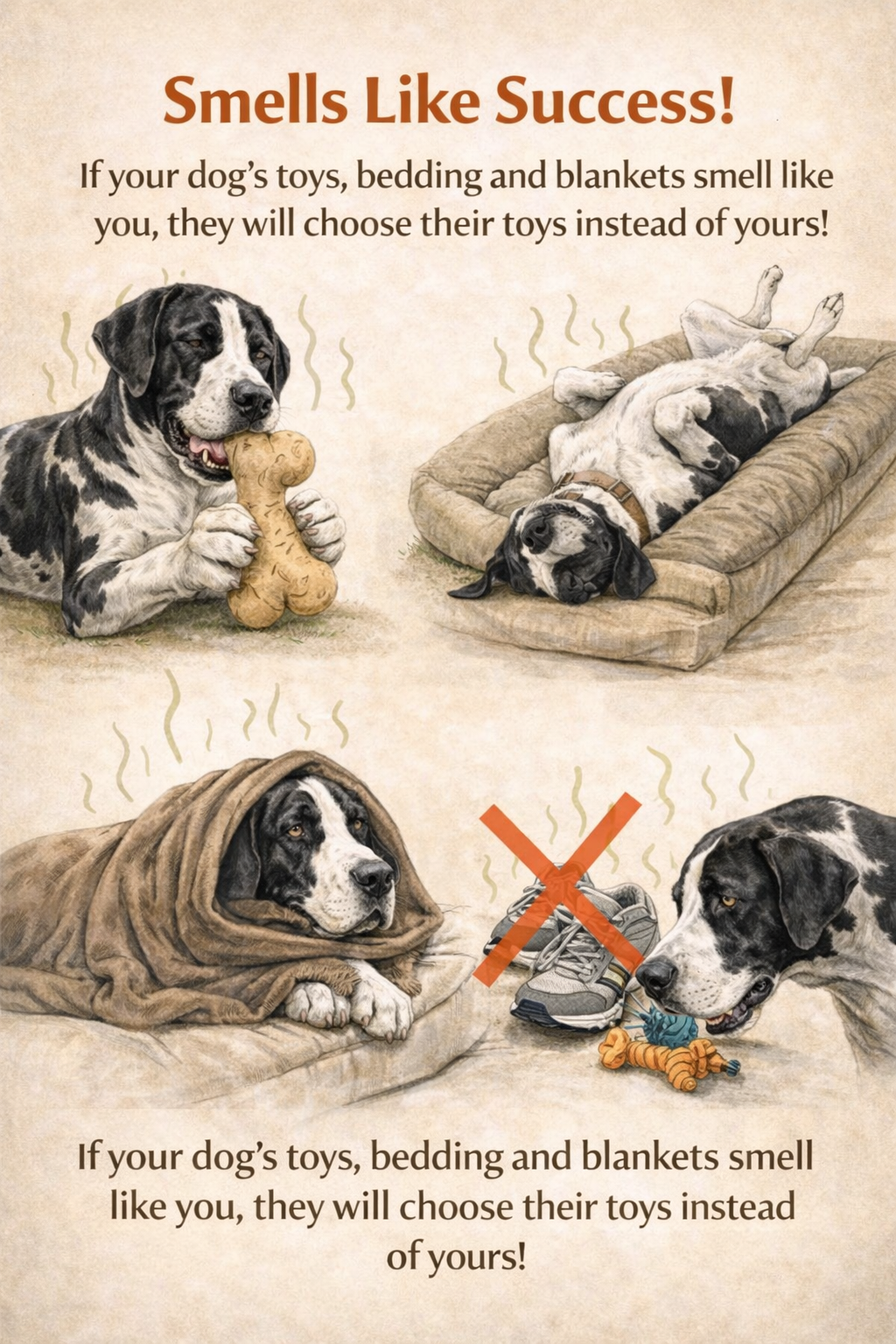
Smells Like Success
The idea behind this calming practice is leaving your scent behind. Dogs are often drawn to shoes,
clothes, and even furniture because those items smell like you, and your scent makes them feel safe.
By transferring your scent to their toys, blankets, and bedding, you give them something comforting
that actually belongs to them. This can also help reduce anxiety when you’re away or asleep.
Simple things work best. Mix their toys in with your dirty laundry for a few days, or sit on
their blankets while watching TV. Any way you can transfer your scent to their belongings helps create
comfort and calm.
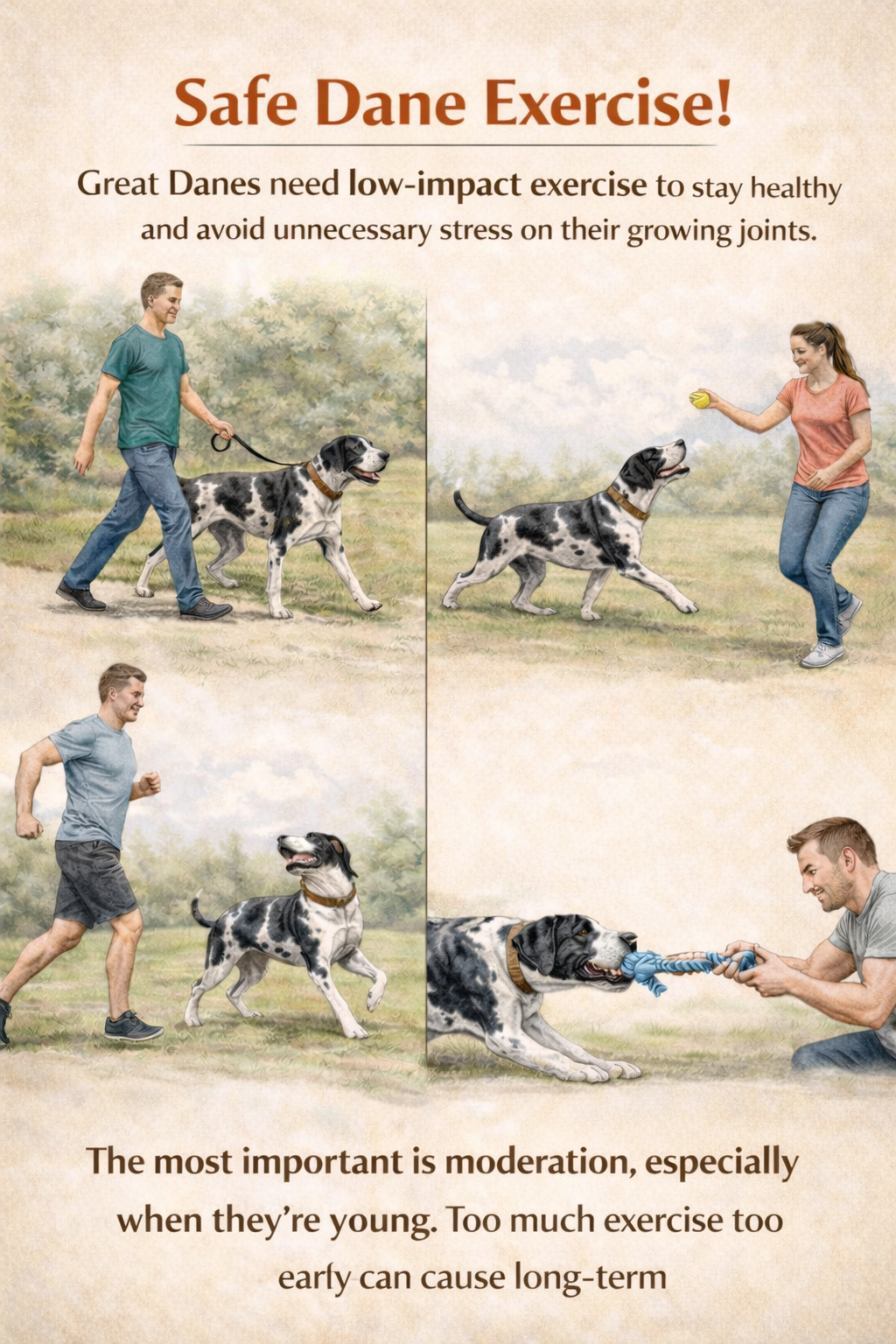
Exercise Guide (Joint-Safe)
Activities like walking, tug-of-war, fetch, light running, and controlled play are ideal. The most important rule is moderation, especially when they’re young. Too much exercise too early can cause long-term joint problems, so slow and steady always wins with these giants. Focus on short, age-appropriate sessions and let their bodies develop at a healthy, natural pace. Rest days, soft surfaces, and avoiding repetitive high-impact movements all help protect growing joints and support long-term mobility. Pay close attention to fatigue, limping, or stiffness, and always adjust activity levels to match your dog’s age, size, and development stage.
Exercise tips →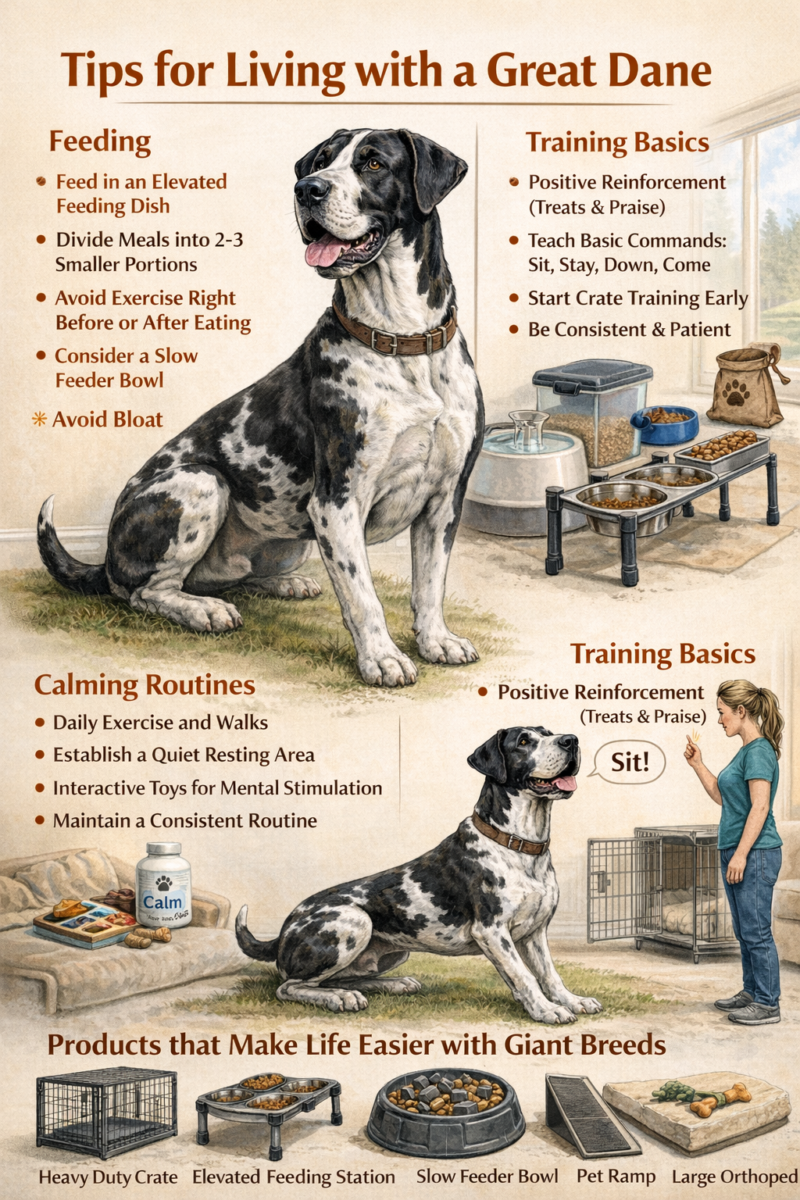
Care Tools & Routines
Training: Training is essential when raising a large breed. Great Danes are often called “gentle giants,” but they can just as easily be described as clumsy or timid. Their sensitive nature means yelling or force backfires. Calm, consistent redirection is the most effective way to train these giants successfully. Calming: Like any dog, Great Danes can struggle with anxiety, but when a giant is anxious, the damage can be equally giant. This section covers calming techniques, redirection tools, and habits that help reduce stress and destructive behavior. While written with Great Danes in mind, these tips work well for dogs of any breed.
Go to Care →Quick Ways to Help an Anxious Dog When You Leave
Keep the Noise Familiar
Leaving the TV on can help because of the familiar voices. The goal is to make your dog feel like they aren’t alone. A radio, podcasts, or talk radio can work just as well. Complete silence can be unsettling for dogs, and unfamiliar outside noises may trigger anxiety or unwanted behavior.
Go to Step 1 →Smells Like Success
Dogs are driven by scent, and like sharks, they explore the world with their mouths. They’re especially drawn to things that smell like their owners. That’s why making your dog’s toys, blankets, and bedding smell like you can be so effective. Mix their items with your dirty laundry, sit on their blankets, or wrap toys in a smelly sock to transfer your scent and increase their interest.
Go to Step 2 →Burn Off Energy (Safely)
Consistency is key. If you leave for work at the same time each day, build a routine around it. A 30-minute walk before you leave can help burn off energy and set a calm tone. Burning off a little energy first, then rewarding your dog with a long-lasting treat, helps them settle while you’re gone. You’ll find several treat and enrichment suggestions throughout this site.
Go to Step 3 →Calming Aids
When I leave, I like to give my pups something to gnaw on that will keep them busy for a while. Refillable bones with peanut butter work especially well since you can reuse them with different fillings. This helps shift their focus from me leaving to the chew itself. Just keep the treat small, and be mindful after exercise, since heavy feeding can increase the risk of bloat.
Go to Step 4 →Step One: Keep the Noise Familiar
- Leave a TV or radio on low (nothing overly intense). Remember, we don’t want them to feel alone. I had a Great Dane that loved to watch lions. Anytime lions appeared on T.V. he would stop and watch.
- Use a fan or white-noise machine near their resting spot. White noise is good to shield outside noises.
- Create a calm playlist and use it only when you’re gone (it becomes a cue). Make them believe they are not alone.
- Don’t give up if something doesn’t work. Try a different approach. Silence can be unsettling for dogs, so providing some background noise can make a big difference.
Over time, the background sound becomes a cue: “This is my chill time while they’re out.”
Step Two: Use Your Scent the Smart Way
Your scent is comforting — but you don’t want to encourage chewing clothing. Transfer your smell onto things they’re allowed to chew and cuddle.
- Toss a few favorite toys into your laundry basket so they smell like you. Leave them in there for a few days and rotate them.
- After washing their blankets, throw them on your bed, or put them on your car seat. Use them to dry off with when you get out of the shower or pool. Remember, dogs are led by their noses and test with their mouths.
- If you have kids, mix your dog’s items in with their laundry. Kids are basically walking scent factories, and dogs love those familiar smells.
For toy-based redirection (especially with mouthy puppies), see: Smells Like Success →
Step Three: Tire Them Out the Smart Way
A tired brain handles stress better. For Great Danes and other giant breeds, aim for balanced activity: enough movement to help them rest — not so much you overload joints.
- Short walk or sniff walk 20–30 minutes before you leave.
- 5–10 minutes of easy training (sits, downs, tricks, nose work).
- End with something calm: a chew, lick mat, or quiet cuddle time.
For more detail (especially for Danes), see: Great Dane exercise guide →
Step Four: Use Anxiety Treats & Calming Aids Wisely
Think of calming products as helpful tools — not magic buttons. They work best when paired with routine and training.
- Offer special chews/lick mats only when you leave (they become positive cues).
- Test new treats/supplements when you’re home first (watch for stomach upset).
- Follow dosing instructions carefully — more isn’t always better.
- Talk to your vet before prescription meds or strong calming products.
When Anxiety Is More Than “Just Missing You”
Mild whining or pacing can be normal. True separation anxiety can be serious and may need professional help. Watch for:
- Destruction focused around doors/windows/crates.
- Excessive drooling, panting, or pacing as you prepare to leave.
- Neighbors reporting nonstop barking/howling/crying.
- Accidents only when you’re gone (despite solid potty training).
- Self-injury (damaged teeth, scraped paws, broken nails) from escape attempts.
If you’re seeing these signs, talk with your veterinarian or a trainer specializing in separation anxiety. Early help can change life for both of you.
Helpful Tools for Calming Anxious Dogs
- White-noise machine or fan for steady background sound.
- A safe crate or quiet room with comfortable bedding.
- Lick mats, puzzle toys, and long-lasting chews for “alone-time” enrichment.
- Calming wraps/vests for gentle pressure (if your dog likes it).
- Quality calming chews approved by your vet.
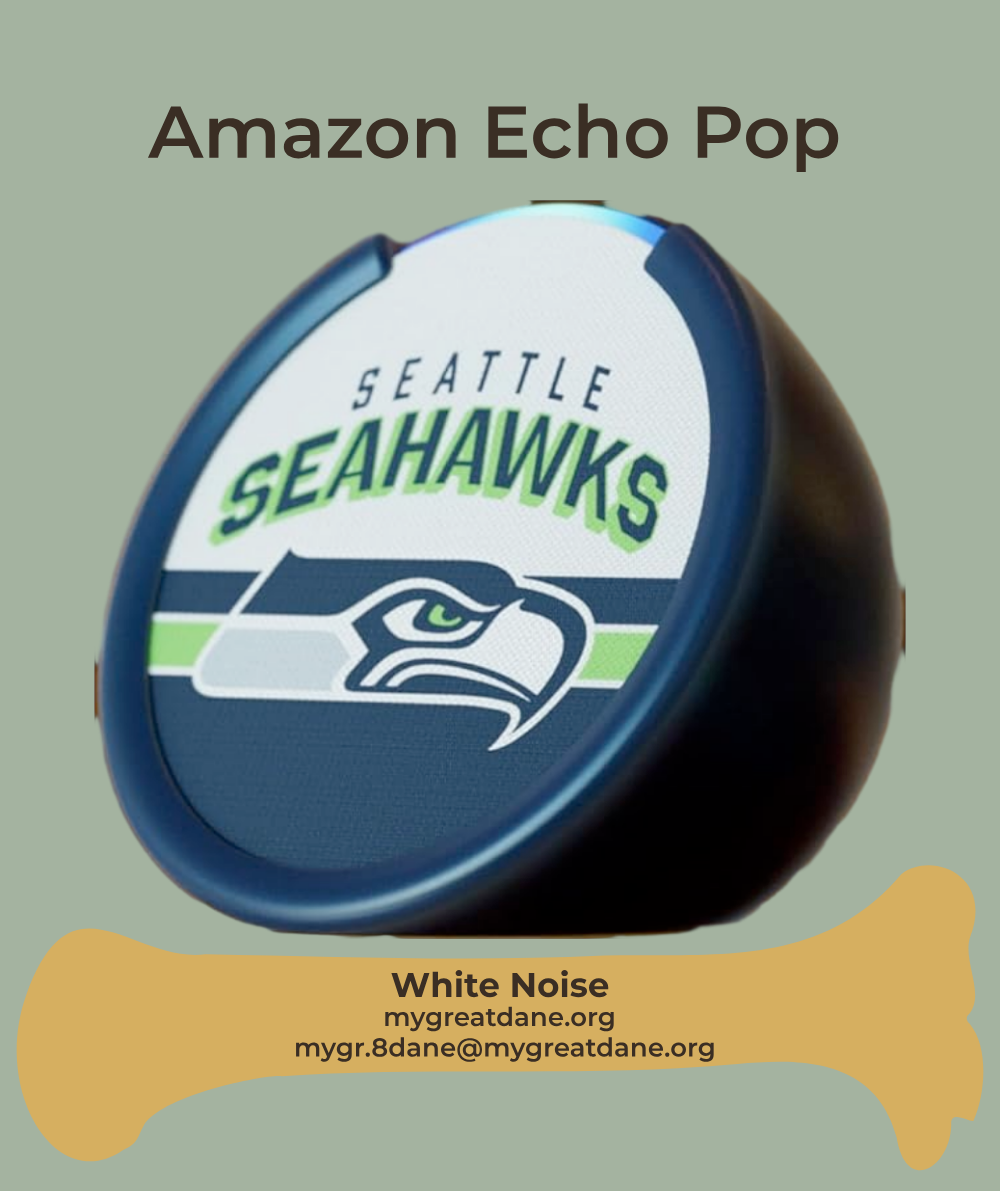
White Noise Machine
Helps reduce “sudden silence” triggers and makes the house feel normal.
Find on Amazon →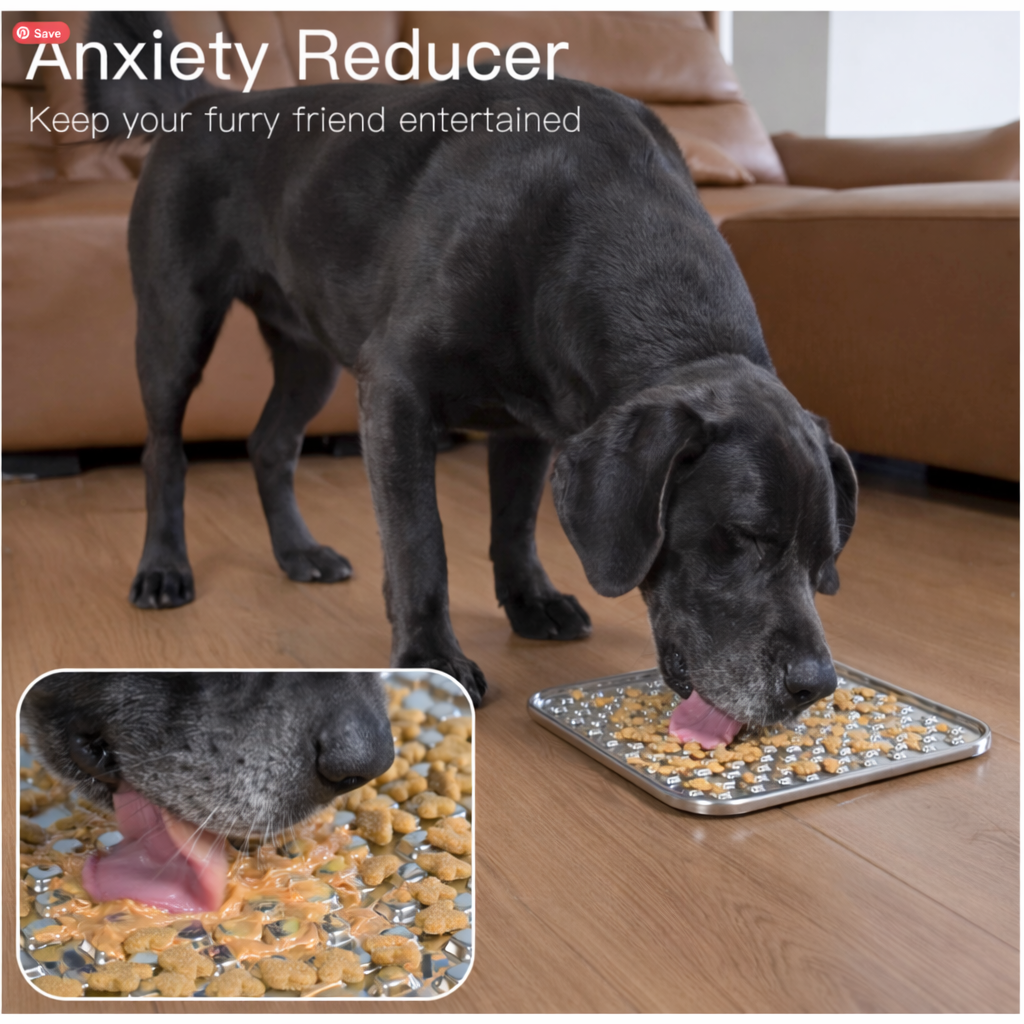
Lick Mat (Calm Tool)
Licking helps regulate stress. Use only for “I’m leaving” time.
Find on Amazon →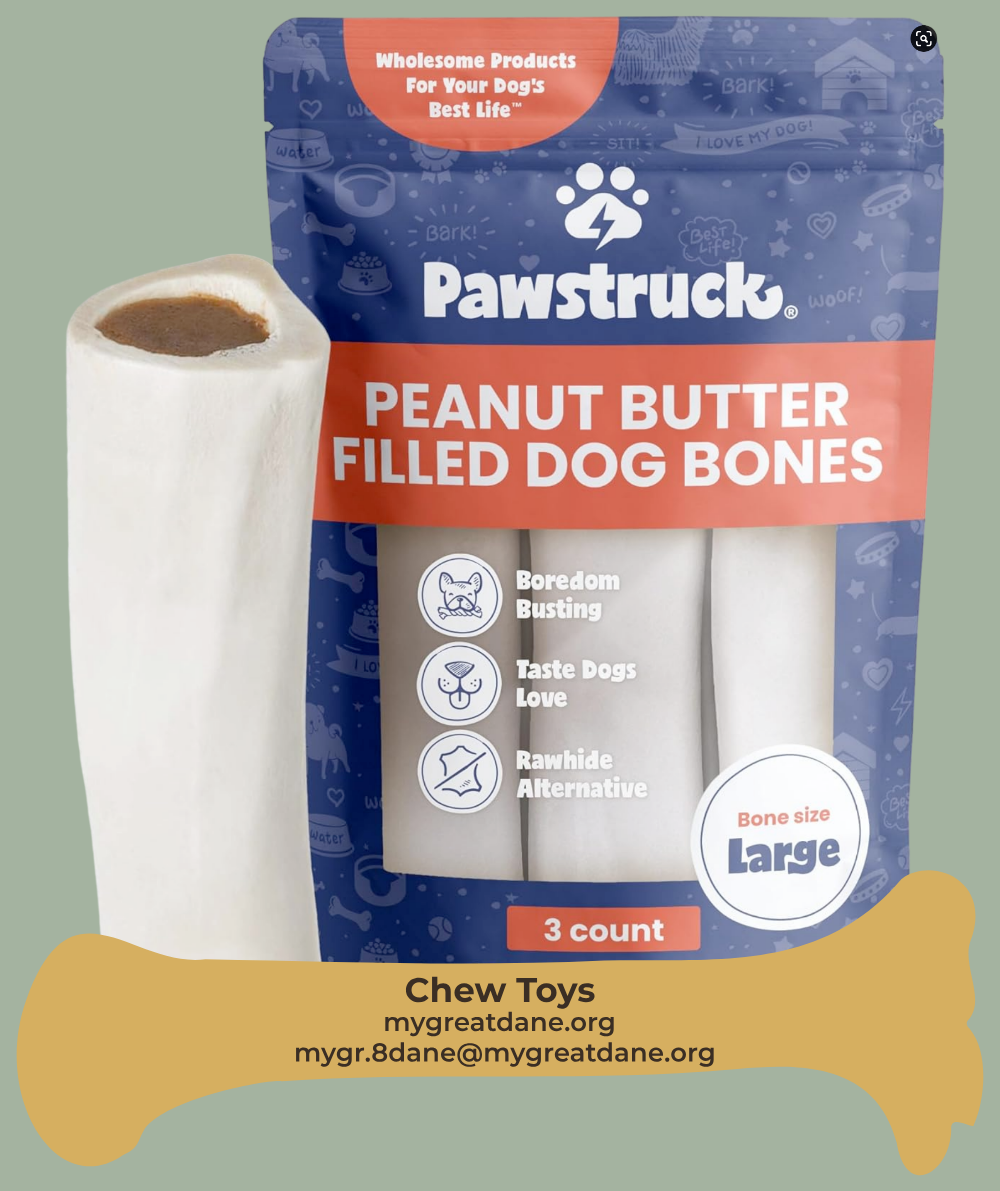
Long-Lasting Chew
Keeps their mouth busy and helps create a positive “alone time” routine.
Find on Amazon →Conclusion: Set the Scene for a Calm, Confident Dog
Dogs don’t process stress like humans do. They can’t tell themselves “I’ll be fine in an hour.”
But with the right environment, scent tricks, safe exercise, and enrichment, most dogs can learn that you leaving is normal,
predictable, and safe.
Keep the noise familiar, let safe toys carry your scent, give smart activity before you go, and use calming tools when needed.
Over time, your dog can trade panic and destruction for naps and quiet chews — and you both get more peace.
More Great Dane Behavior Reads
Smells Like Success
Redirect chewing and chaos into toy choices that actually stick.
Read guide →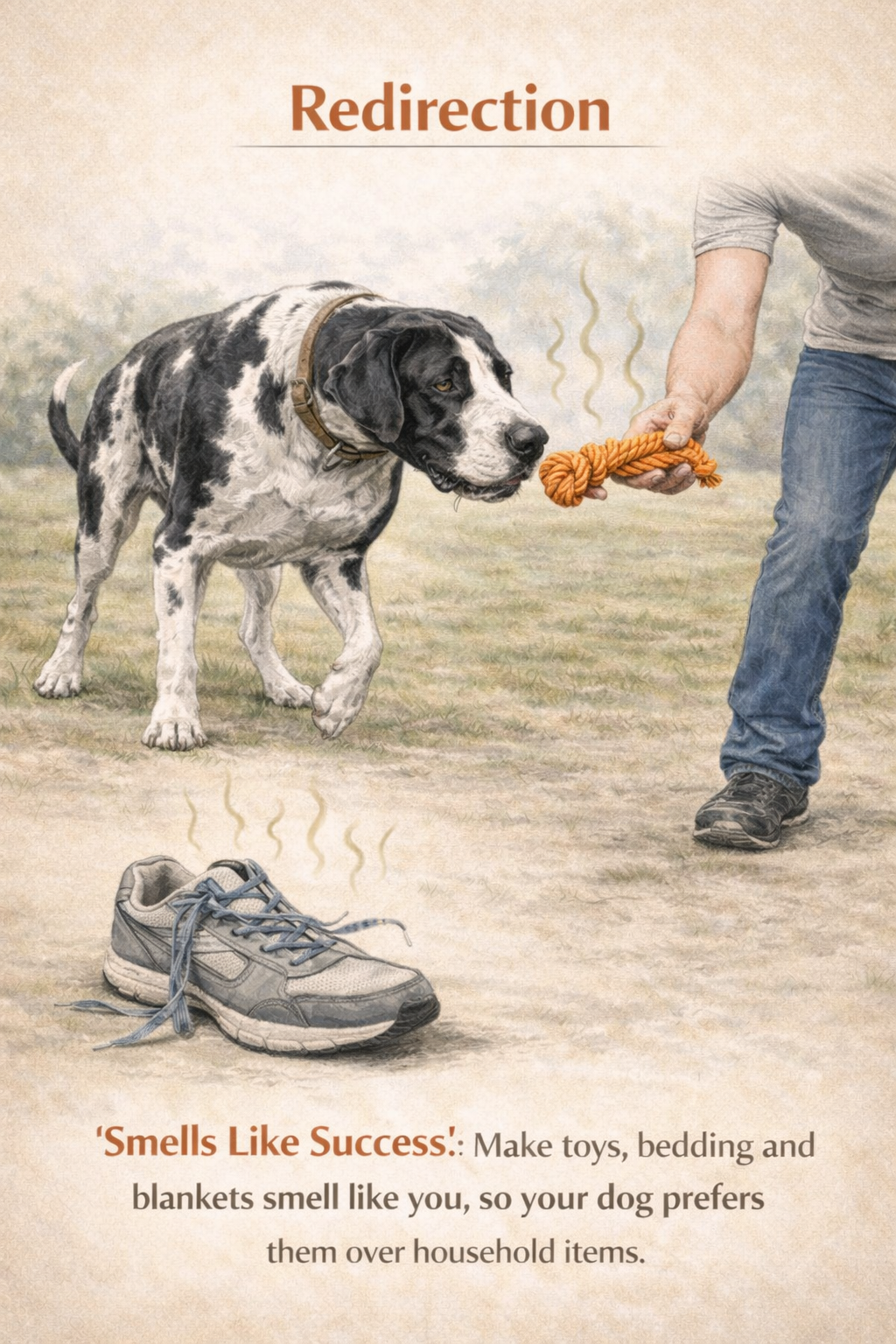
Redirection Techniques
The gentle method to shape puppy behavior without fear or yelling.
Read article →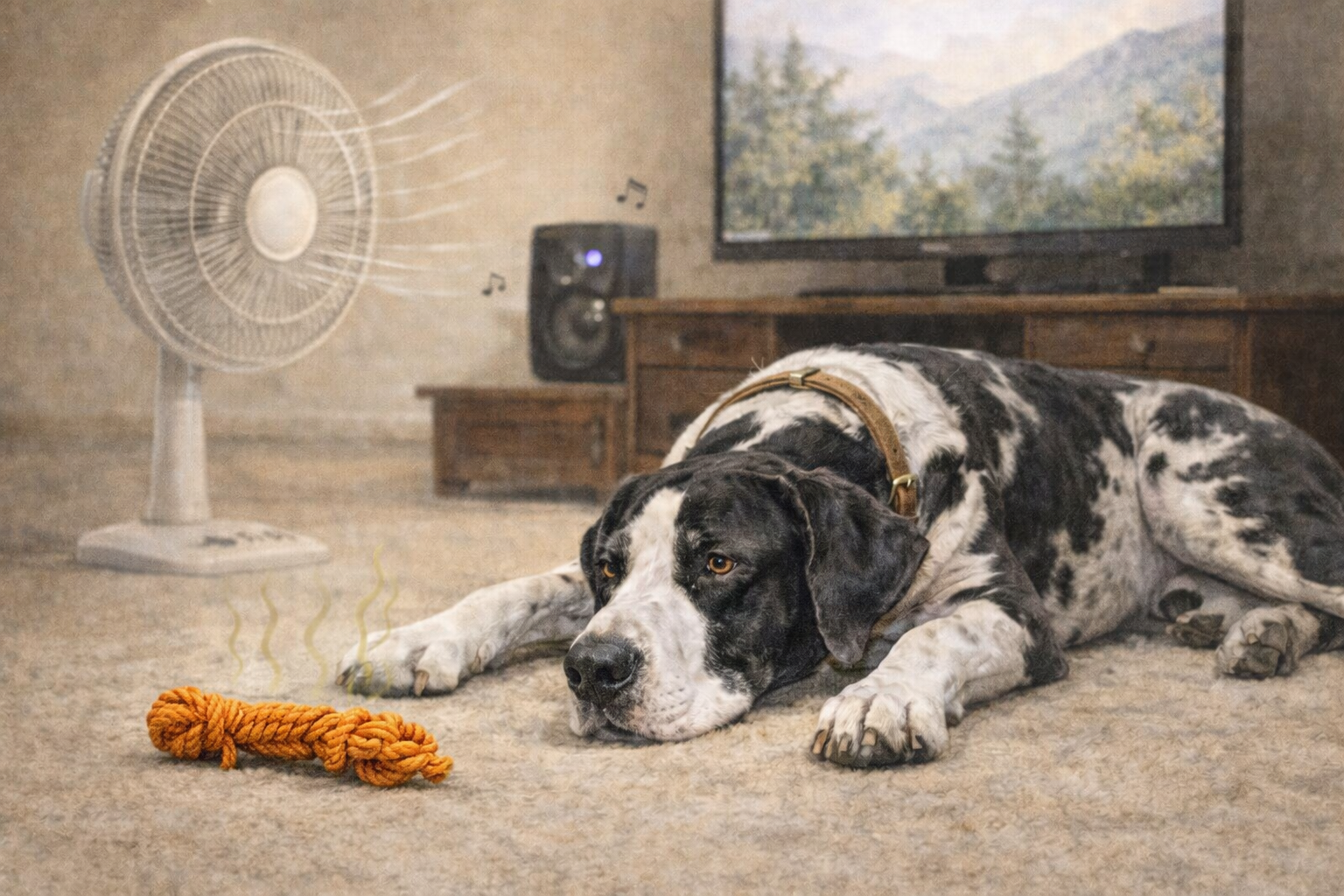
White Noise & Calming Sound
Simple sound routines that help dogs settle when they’re alone.
See section →