Smells Like Success Dog Training: Redirecting Your Dog the Smart Way
Instead of yelling “No!” every five minutes, give your dog something better to do. Smells like success dog training shows you how to use redirection + high-value toys so your dog learns what DOES work.
Note: This page may contain affiliate links. If you purchase through them, I may earn a small commission at no extra cost to you. This helps keep the site running and the dogs in treats.
🐾 1. Place Items in the Laundry
One of the easiest ways to use the “Smells Like Success Dog Training” method is by placing your dog’s toys, blankets, or bedding inside your dirty laundry for a few days. Because dogs rely heavily on scent, these items will absorb your smell and become far more comforting to your dog.
As a result, when your Great Dane interacts with these toys or blankets, they associate them with your presence. This simple trick can help reduce anxiety and encourage your dog to choose their own items instead of household objects.
🐾 2. Use Kids’ Laundry for Even Stronger Scent
If you have children in the house, their smelly laundry can work even better. Dogs often become very attached to the scent of family members, especially kids they interact with daily.
For this reason, placing toys or dog blankets inside your children’s laundry for a few days can make those items extremely attractive to your dog. In many cases, your Great Dane will naturally gravitate toward these items instead of chewing furniture or other household objects. Which
🐾 3. Use Strong-Smelling Treats
Another important part of the Smells Like Success training method is using treats that have a strong smell. Dogs are naturally drawn to powerful scents, which makes these treats much higher value during training.
Because of this, smelly treats can be extremely effective for rewarding the behaviors you want. When your dog chooses their toy or blanket, pairing that choice with a high-reward treat reinforces the correct behavior.
🐾 4. Use a Shoe to Transfer Your Scent
Another creative trick is using one of your shoes to transfer scent onto a toy or chew. If you can safely place a toy or bone inside an old gym shoe for a while, the toy will absorb your scent quickly.
For example, athletic shoes—especially after workouts or sports—carry strong scents that dogs find incredibly interesting. Placing a toy inside the shoe for a short period can make that toy far more appealing to your dog than household items.
🐾 5. Sit on Your Dog’s Blanket
Finally, you can strengthen the Smells Like Success approach by sitting on your dog’s blanket or bed for a period of time. This allows the fabric to absorb your scent naturally.
If you work at a desk or drive frequently, you can even rotate blankets by bringing one with you during the day and returning it to your dog later. Keeping a few blankets in rotation allows you to refresh the scent regularly while still keeping things clean.
Training Resources
Potty training, leash work, impulse control, and simple routines that build calm manners.
Browse training →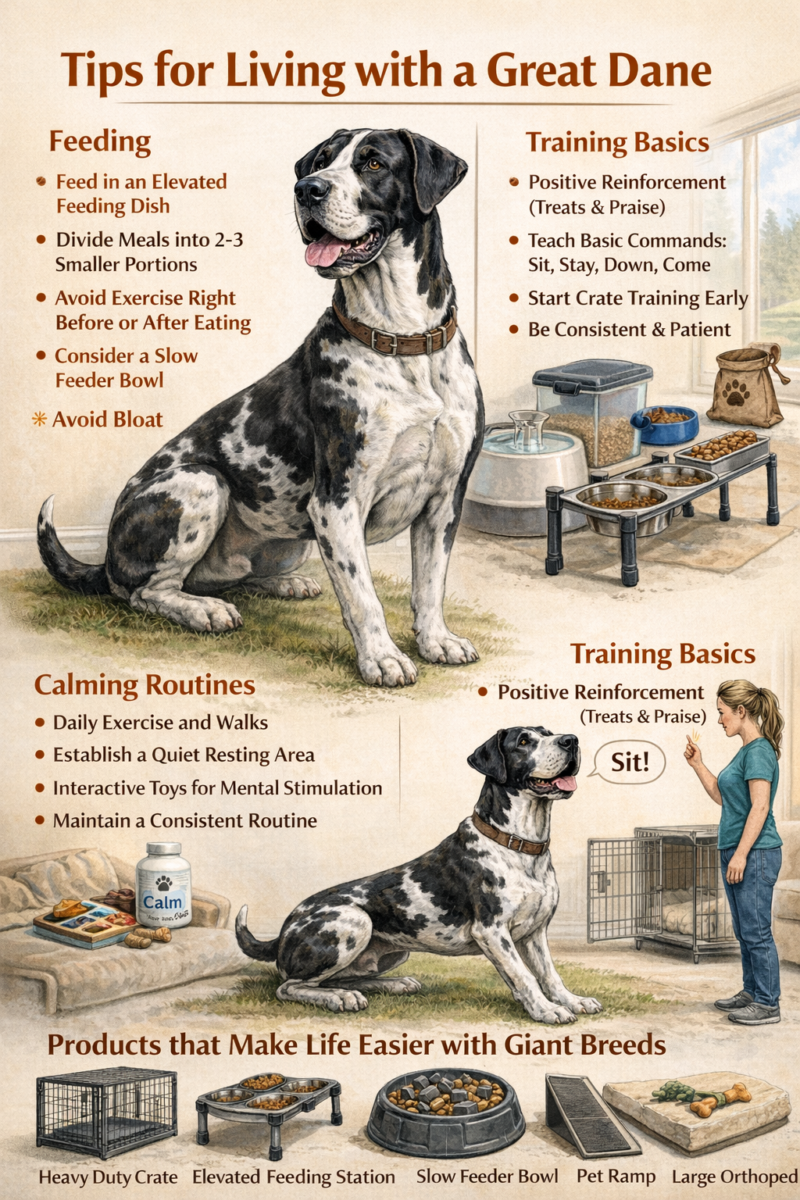
Care Tips & Routines
Feeding setup, calming tools, chew toy picks, and real-life Great Dane advice.
Go to Care →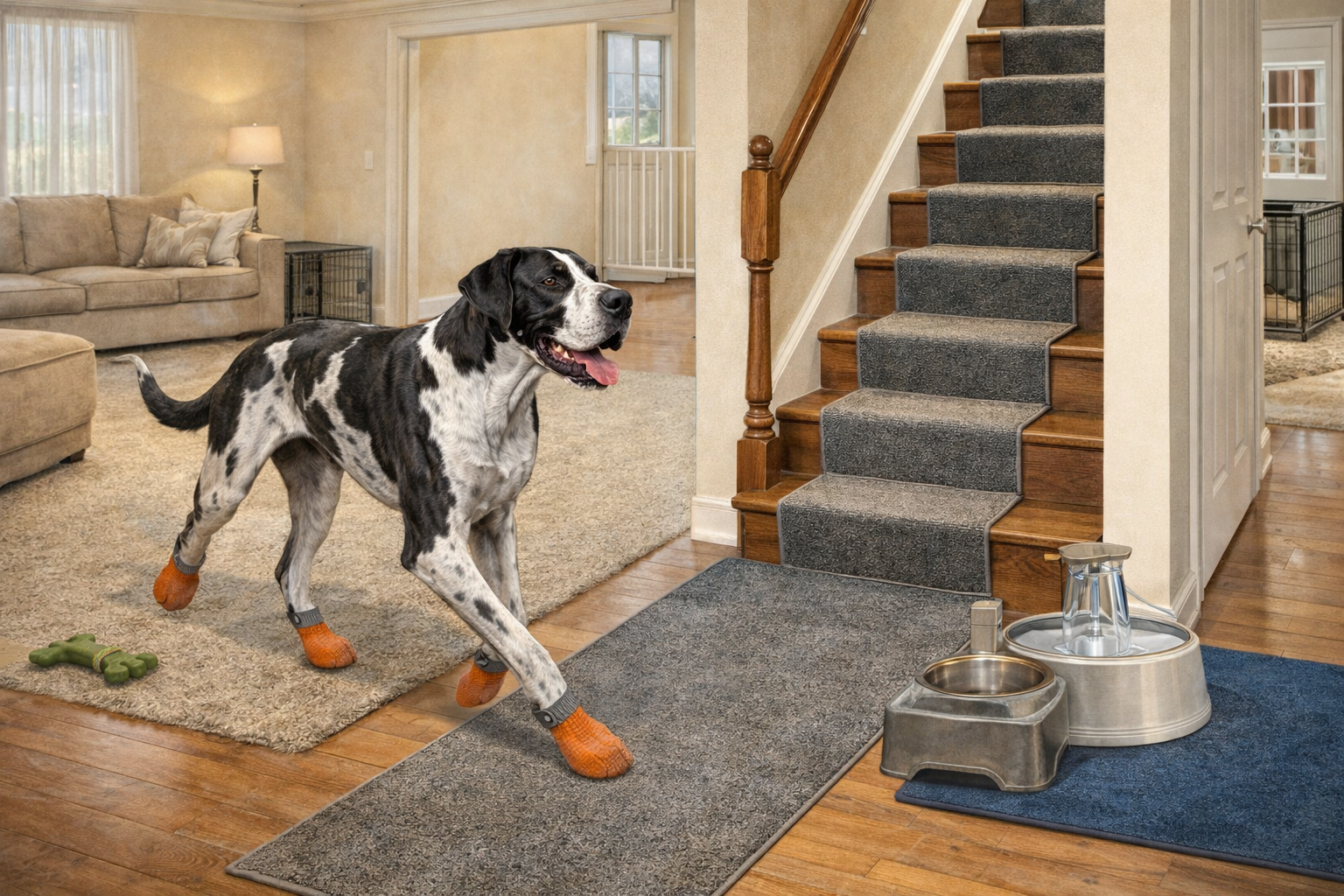
Great Dane Safe Home
Traction zones, stairs safety, and prevention setups for slipping and injuries.
Read guide →What Does “Smells Like Success Dog Training” Mean?
Dogs don’t come pre-programmed knowing that couch cushions, baseboards, and shoes are off-limits. They explore the world with mouths and noses. “Smells Like Success Dog Training” means teaching: “This is where the fun happens.”
- Chewing this toy = good things happen.
- Chewing the furniture = nothing fun (no attention, no payoff).
- Bringing toys to you = interaction, games, and praise.
How to Use Redirection Step-by-Step
Step 1: Pick “Success” Toys Only
Choose toys that are safe, durable, and interesting. Big dogs often do best with longer, easy-to-grab toys they can carry and parade around.
Step 2: Catch Them Early
When you see the “about to be naughty” moment, interrupt gently and guide them to a toy before the unwanted behavior starts.
Step 3: Make the Toy AMAZING
Move the toy, toss it, tug it, and act excited. The toy should feel more rewarding than the thing your dog was about to do.
Step 4: Reward the Right Choice
When your dog chooses the toy on their own, notice it. Praise, pet, or offer a tiny treat so the correct choice gets reinforced.
Step 5: Manage the Environment
Put shoes away, block tempting areas, and use gates when needed. Training plus management prevents your dog from practicing bad habits.
Toy Ideas For “Smell Like Success Dog Training”
Every dog is different, but long, soft toys are great for shaking/tossing/carrying. Durable chews are better for heavy chewers who want to gnaw for a long time.
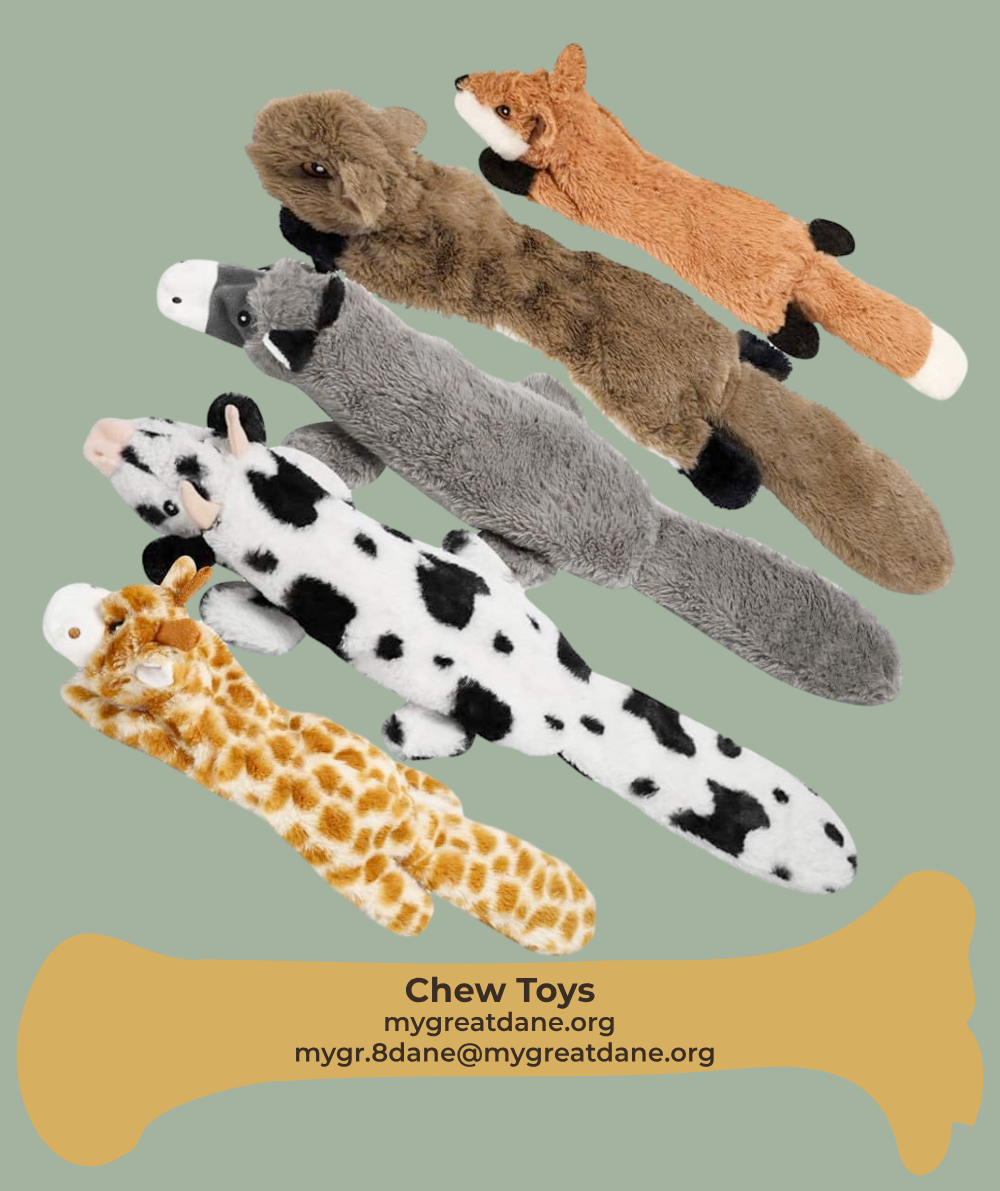
Floppy Plush Animals
Great for dogs who like to shake, toss, and cuddle. Lightweight, easy to carry, and usually quieter than super-loud squeakers.
View Plush Toys →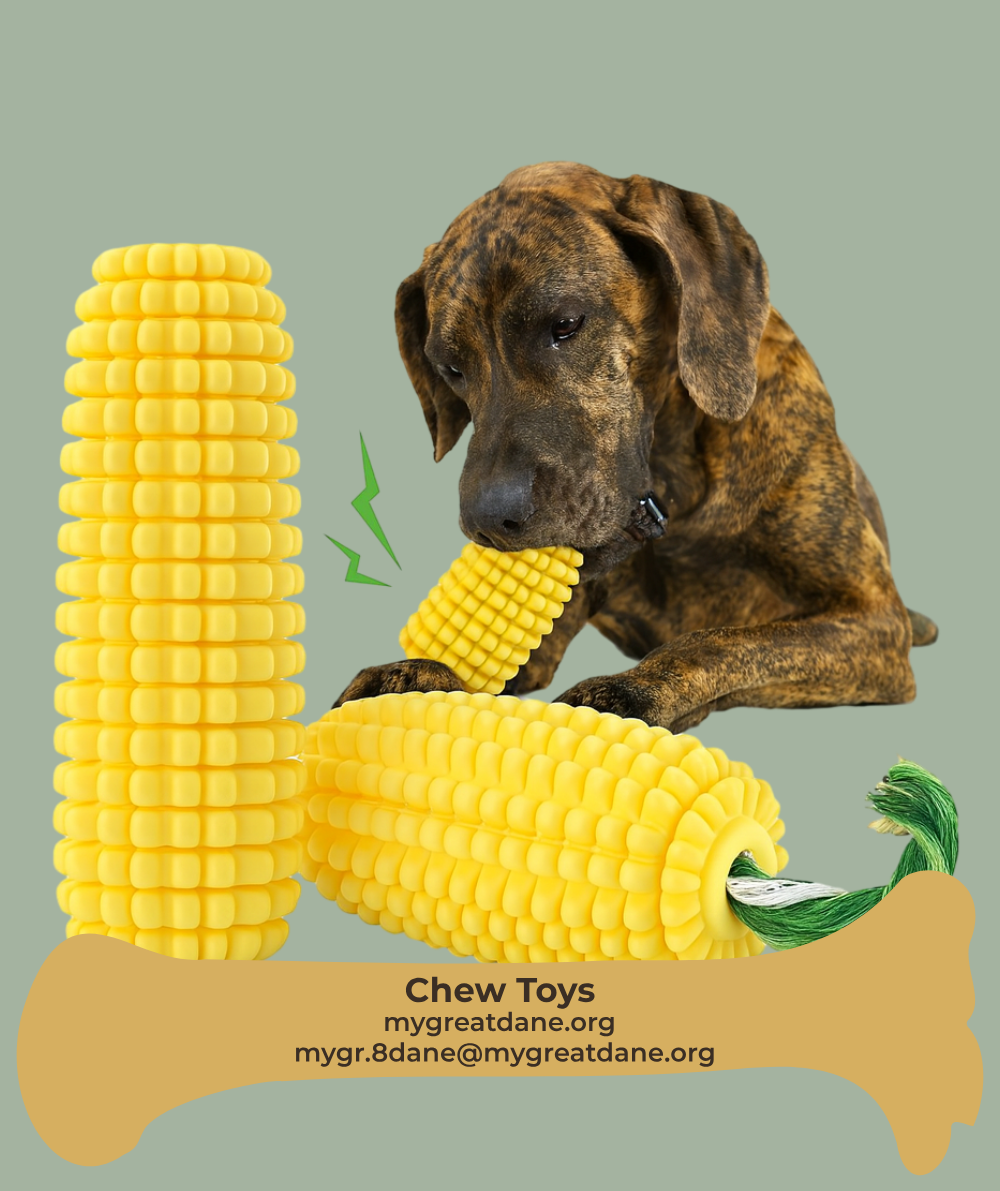
Durable Chew Toys
For heavy chewers. Choose tougher rubber/nylon styles so chewing becomes a safe outlet instead of furniture.
View Chew Toys →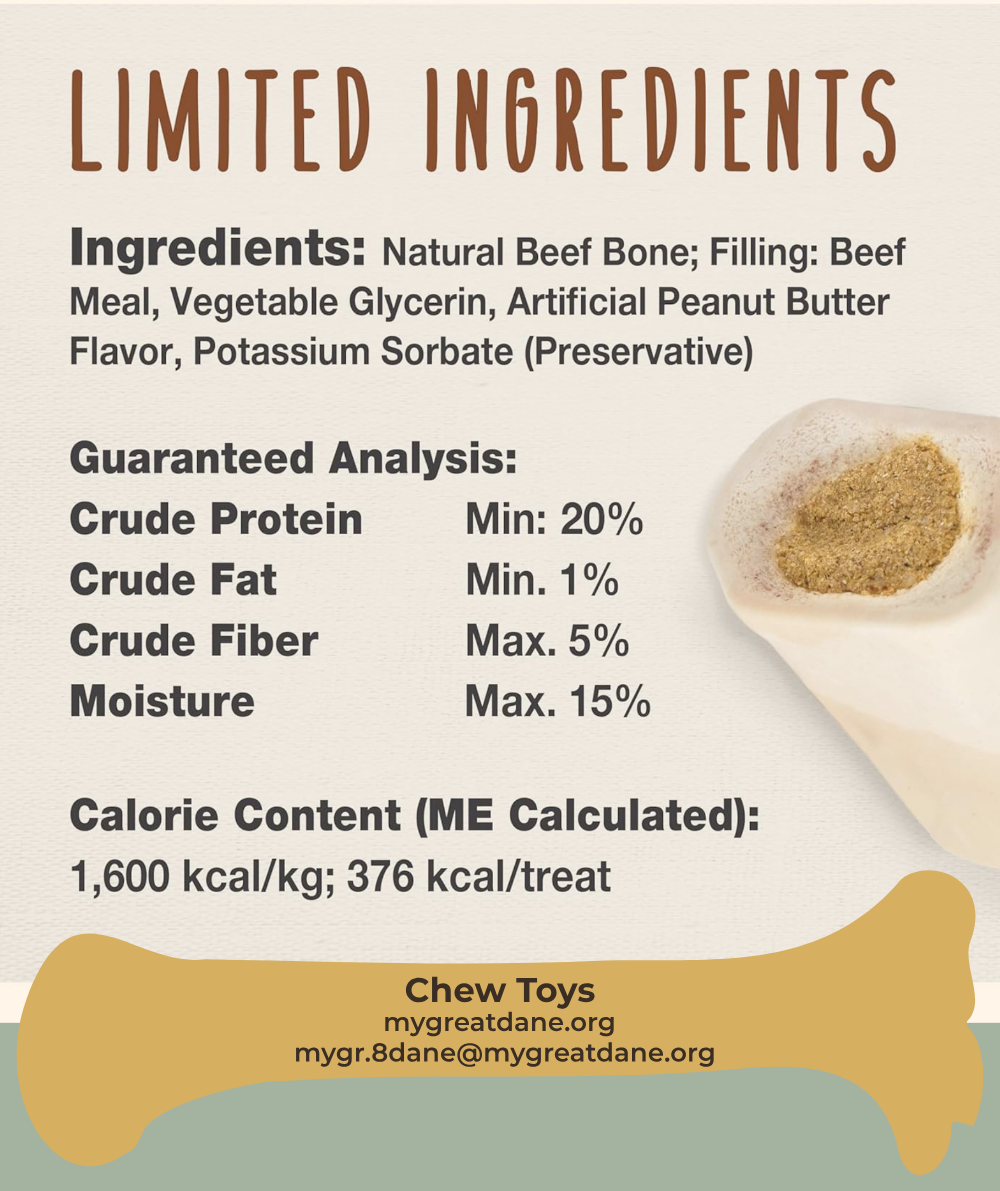
Stuffable Enrichment Toy
Stuff with kibble/soft food and freeze it. Keeps your dog busy and redirects “must chew something” energy.
View Enrichment →Real-Life “Smells Like Success Dog Training” Setups
Toy Basket (Living Room Success Zone)
- Keep 2–3 plush toys + 1 tougher chew in the basket.
- Reward anytime they grab from the basket on their own.
- Rotate toys weekly so they stay interesting.
Crate or Quiet Area
- Give a safe chew or stuffed toy for crate time.
- Offer the toy before the whining starts (catch it early).
- Use textures they love so this area “smells like success.”
Door & Guests: Mouthy Greeters
- Keep a “guest toy” by the door.
- Hand it to your dog before you open the door.
- Ask visitors to praise when your dog holds the toy.
Common Smells Like Success Dog Training Questions
What if my dog destroys plush toys?
Some dogs can only play with plush under supervision. If your dog shreds everything, switch to tougher rubber/nylon toys and reserve soft toys for short supervised sessions.
I use the toys that come with no stuffing. They are perfect for smells like success and they last a long time. My dogs may remove the squeaker, but the toy generally stays in tact. They can fit into a shoe as well.
Am I “rewarding bad behavior” by redirecting?
No. You’re interrupting the bad choice, then heavily rewarding the better option. Over time your dog learns to skip the bad option and go straight to the toy that pays.
Your dog does not understand what can be chewed on and what cannot. Redirection, over time, teaches them right from wrong. Smells like success just makes the toy more attractive than the furniture.
How long does this take to work?
It depends on consistency. The more tiny “good choices” you notice and reward, the faster it becomes your dog’s default. Think days for improvement, weeks for habit.
It might take until their adulthood before they understand completely. If your puppy takes that long then you will be happy they learned because as an adult, they can do way more damage.
More Great Dane Training Reads
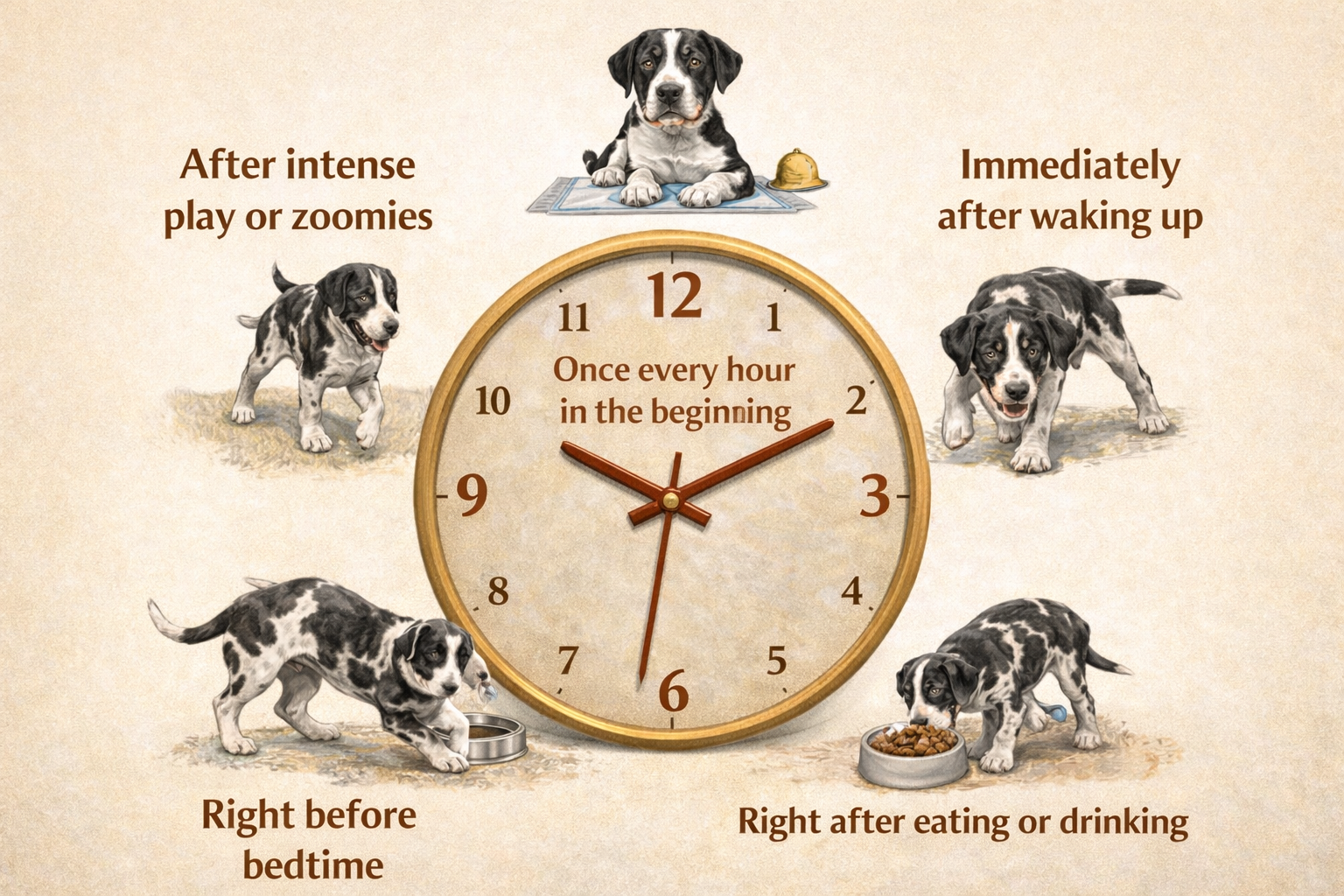
Puppy Potty Training (Stress-Free)
A simple routine, fewer accidents, and calmer housebreaking for giant-breed puppies.
Read article →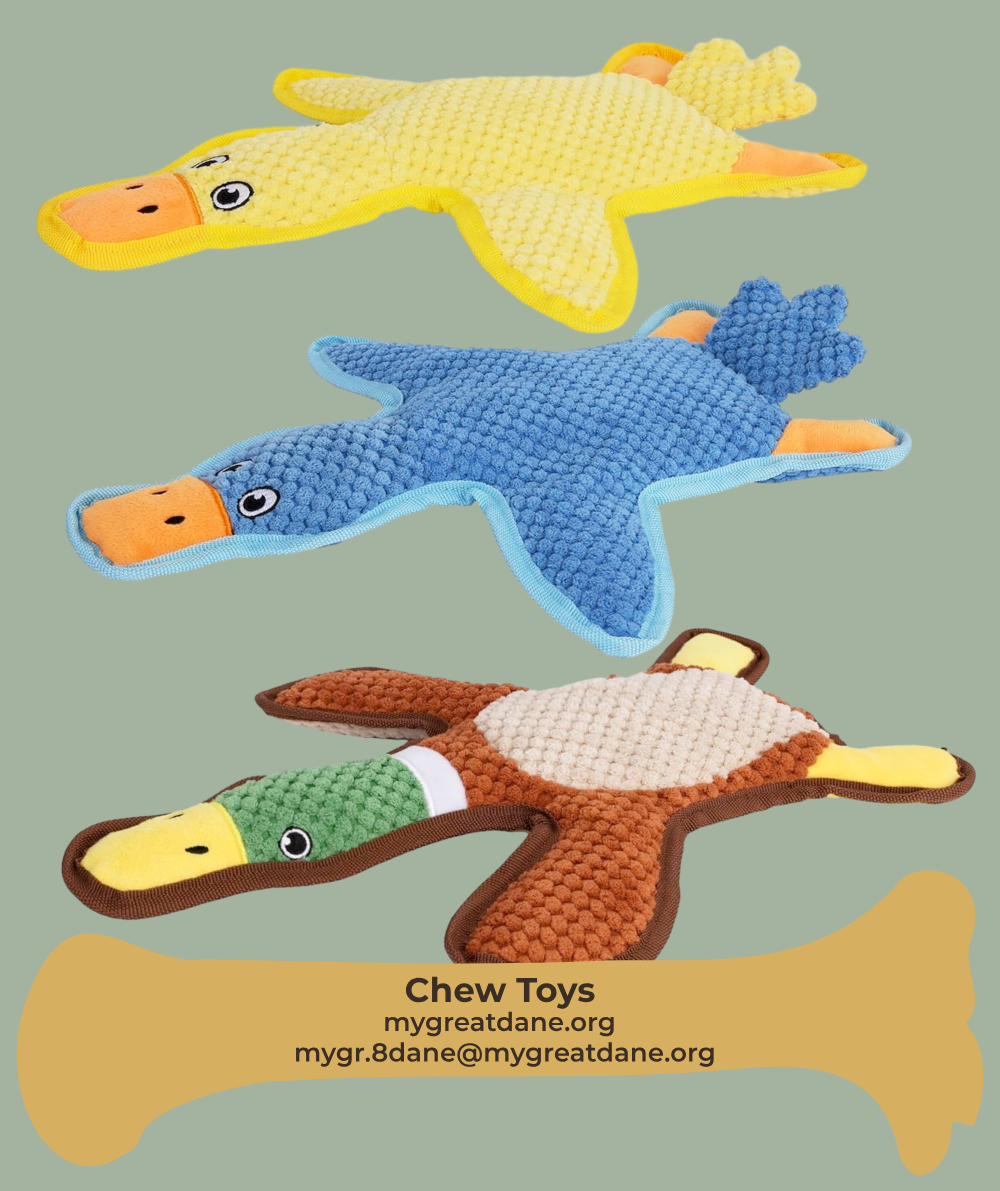
Chew Toys That Hold Up
Safer chew picks for big mouths, plus how to rotate them so they stay interesting.
View on Amazon →
Calming Sound + Routines
White noise, enrichment, and structure that helps sensitive Danes settle.
Read section →