Great Dane Exercise Guide: Do’s, Don’ts & How Much They Really Need
Learn how much exercise Great Danes need at each age, which activities are safest, and the common mistakes that can quietly damage joints and health.

Care Tips & Daily Routines
Feeding, training, calming tools, and the small routines that make life easier with giant breeds.
Go to Care →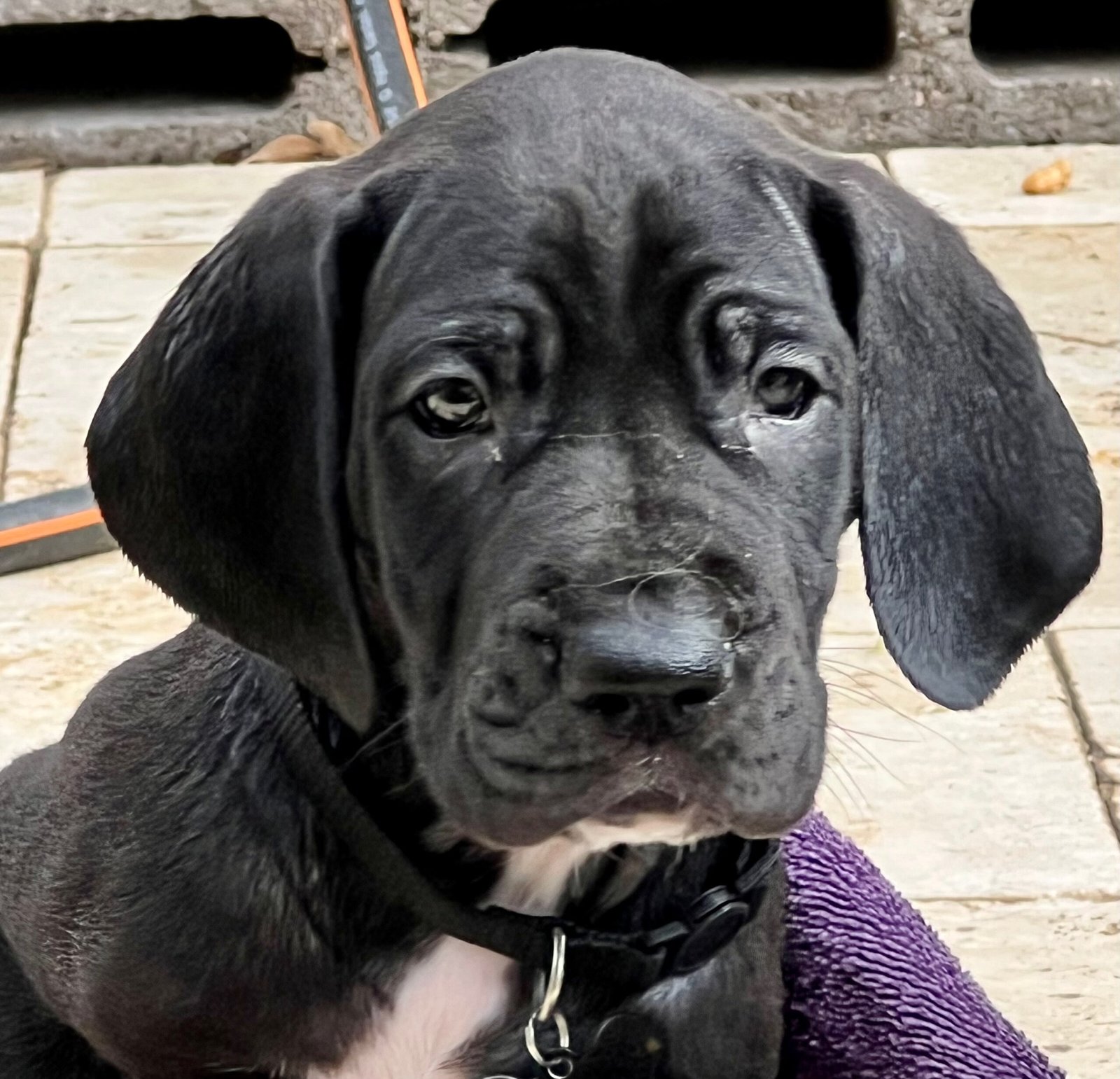
Great Dane Safe Home
Traction zones, stairs safety, and setup changes that help prevent slips and injuries.
Safer House →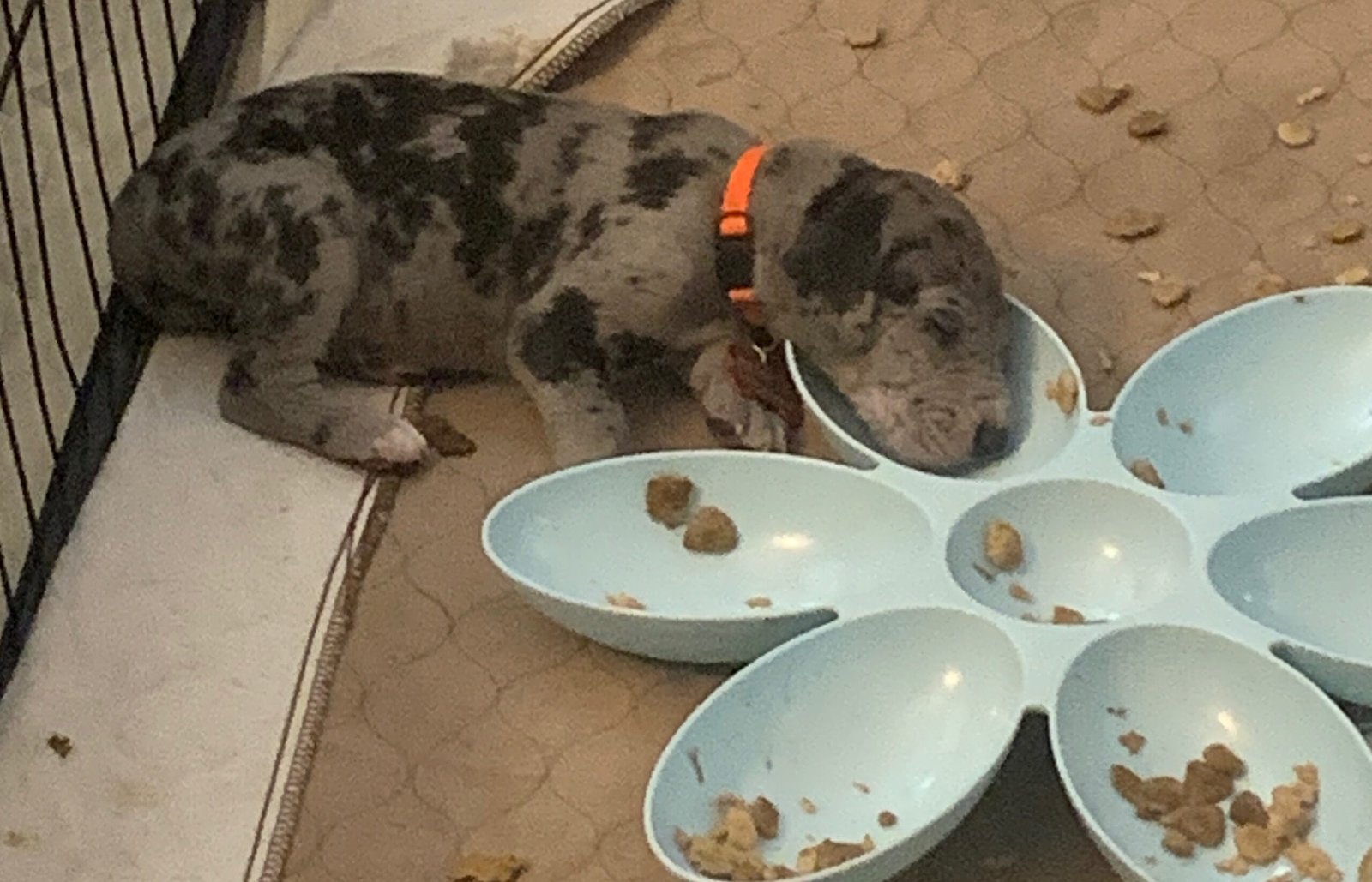
Feeding & Nutrition
What to feed, how to feed, and habits that support healthy growth and digestion.
Nutrition Tips →A Brief Read
Great Danes will over do it if you let them. These guys will run til they drop! They need consistent movement, but too much (or the wrong type) can quietly harm joints—especially during puppy growth. The goal isn’t “more exercise.” The goal is safe, low-impact, consistent activity with lots of rest built in.
How Much Exercise Does a Great Dane Puppy Need?
Puppies are still developing bones, joints, and growth plates. Too much impact can lead to long-term issues. Think: short, gentle movement + lots of rest.
Puppy Exercise Do’s
- Short, gentle walks.
- Use soft surfaces like grass whenever possible.
- Focus on mental work (puzzle toys, basic cues).
- Allow frequent breaks and naps.
Puppy Exercise Don’ts
- No running/jogging or long-distance walks.
- No repeated jumping (furniture/frisbees).
- Avoid slippery surfaces.
- Stop immediately if they limp or lag.
Safe Exercise for Adult Great Danes
Once Danes mature (often 18–24 months), moderate exercise is safer. They still aren’t built for endurance—keep it steady and low-impact.
Adult Exercise Do’s
- Moderate walks (20–40 minutes).
- Short play sessions in a fenced yard.
- Low-impact swimming if safe/available.
- Mix in scent work and brain games.
Adult Exercise Don’ts
- Don’t exercise during peak heat.
- Avoid high-impact sports and long runs.
- Don’t over-exercise right before/after meals.
Want to learn more about bloat (GDV)? Read the bloat guide →
Why Great Danes Need Less Exercise Than You Think
Great Danes were bred for short bursts, not long-distance stamina. The wrong activity can create joint stress and “wear and tear” injuries.
- Joint injuries and arthritis.
- Bloat risk when routines are sloppy around meals.
- Chronic lameness.
- Overuse injuries.
Quality matters more than quantity.
Do’s of Exercising a Great Dane
- Warm up with a slow walk.
- Choose soft surfaces (grass > pavement).
- Add brain work (scent games, puzzles, training).
- Time wisely (avoid heat and avoid pre/post-meal chaos).
- Adjust for weather (early/late walks).
Don’ts of Exercising a Great Dane
- Don’t exercise puppies like adults.
- Don’t encourage repetitive high-impact activity.
- Don’t exercise after or right before feeding.
- Don’t gulp and drink lots of water before or after exercise
- Don’t assume “more is better.”
Sample Weekly Exercise Plan for a Great Dane
Use this as a starting point and adjust for age, health, and energy level:
- Monday:Feed, Hour to digest 30-min walk + light fetch, Rest, Feed.
- Tuesday:Feed, Hour to digest 30-Walk + scent games, Rest, Feed.
- Wednesday: Feed, Rest, 30-min play, Rest, Feed.
- Thursday: Feed, Rest, 30-min play or 25-min walk, Rest, Feed.
- Friday: Feed, 30-Walk, Rest, Puzzle feeder session, Rest, Feed
- Saturday: Feed, Rest, Off-leash field play (safe area), Rest, Feed.
- Sunday: Feed, Rest day, Feed
Signs Your Great Dane Has Had Enough Exercise
- Slowing down or lagging behind.
- Lying down during play.
- Heavy panting that doesn’t settle quickly.
- Reluctance to move later.
Helpful Tools for Safe Exercise
- Slow-feeder bowls
- Supportive harnesses
- Puzzle toys & scent games
- Non-slip rugs indoors
Explore recommended tools: Visit recommended products →
Final Thoughts: Exercising Great Danes the Right Way
Exercising a Great Dane is about balance — not too much, not too little. Puppies need gentle, short play to protect joints, while adults thrive on moderate, consistent activity. Follow the guidelines above and you’ll keep your gentle giant healthy, happy, and full of goofy energy for years.
More Great Dane Exercise Reads
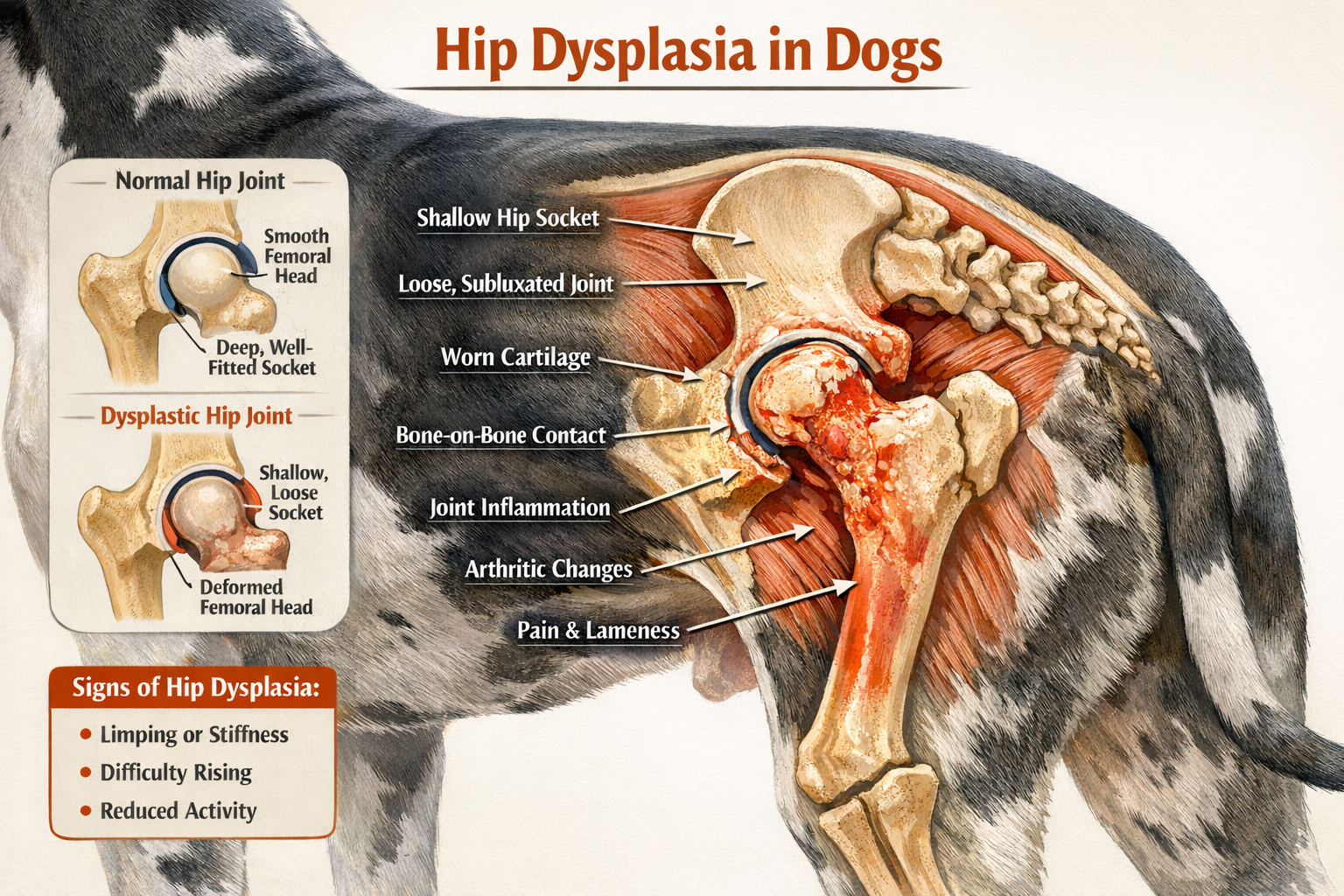
Joint Care Basics for Giant Breeds
What helps joints long-term, and what habits quietly cause damage.
Read article →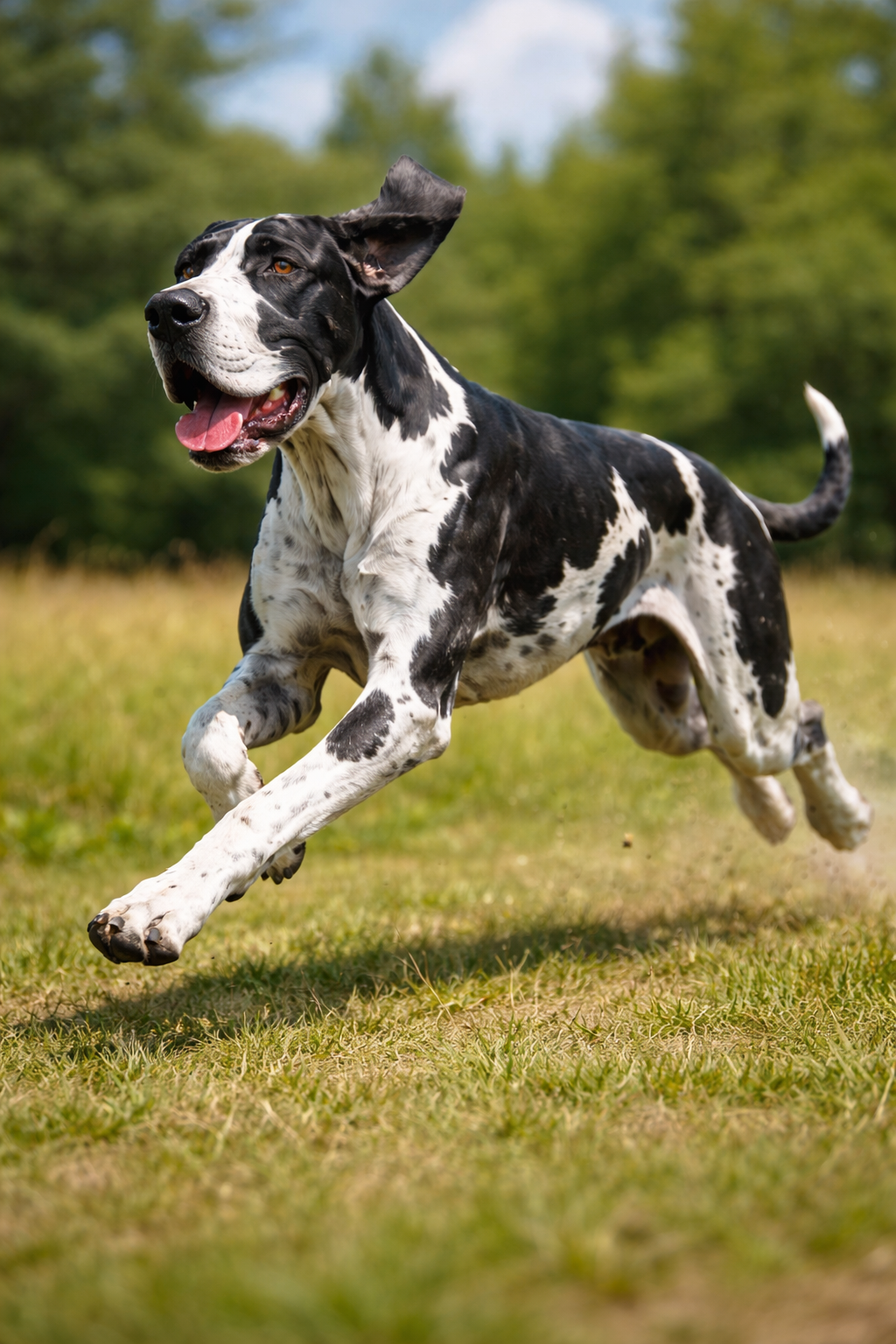
Traction Zones to Prevent Slips
Floor setup tips that help prevent injuries and reduce fear on hard surfaces.
Read more →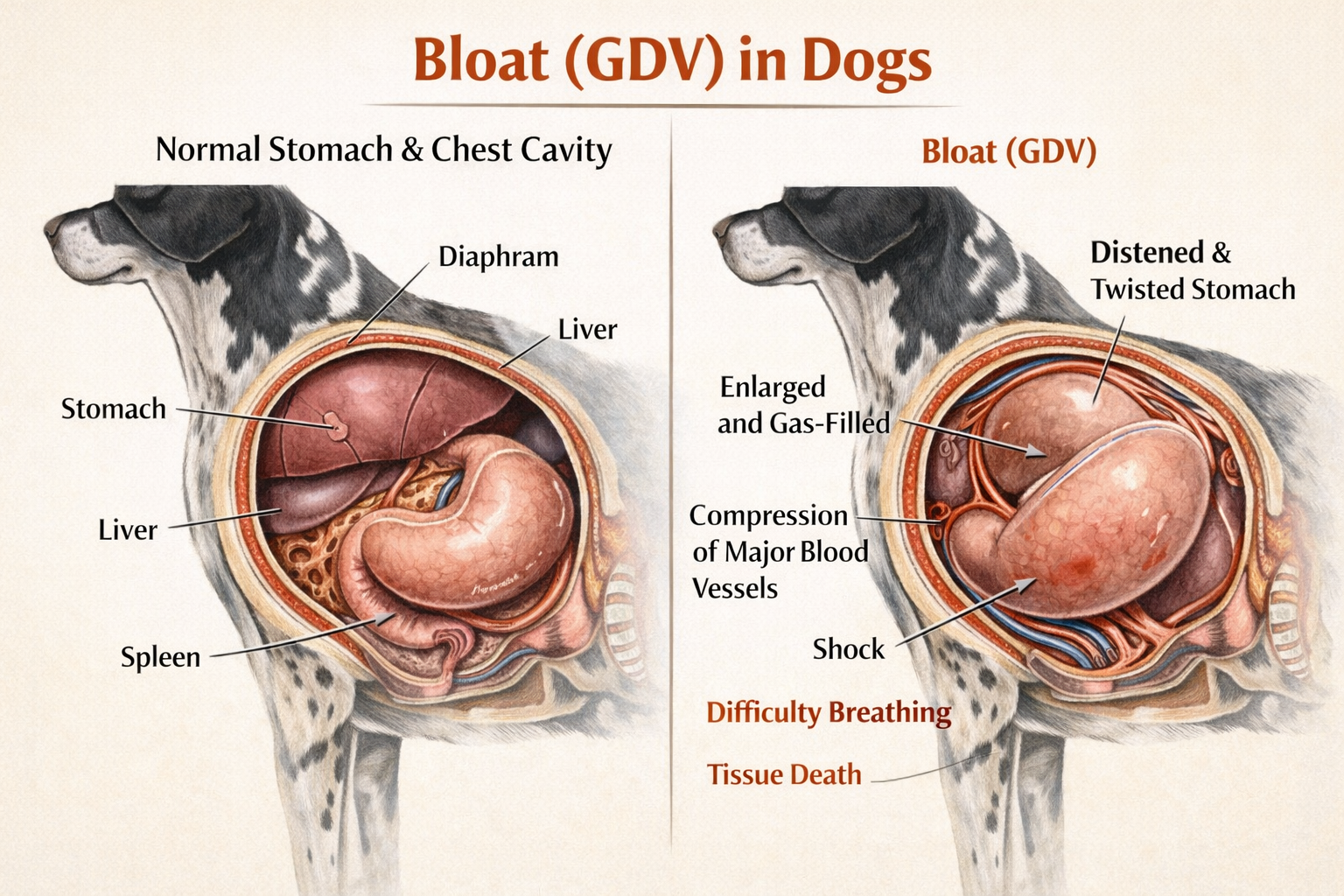
Bloat (GDV) Routines & Prevention
Exercise timing around meals matters — here’s what to do and what to avoid.
Read the guide →